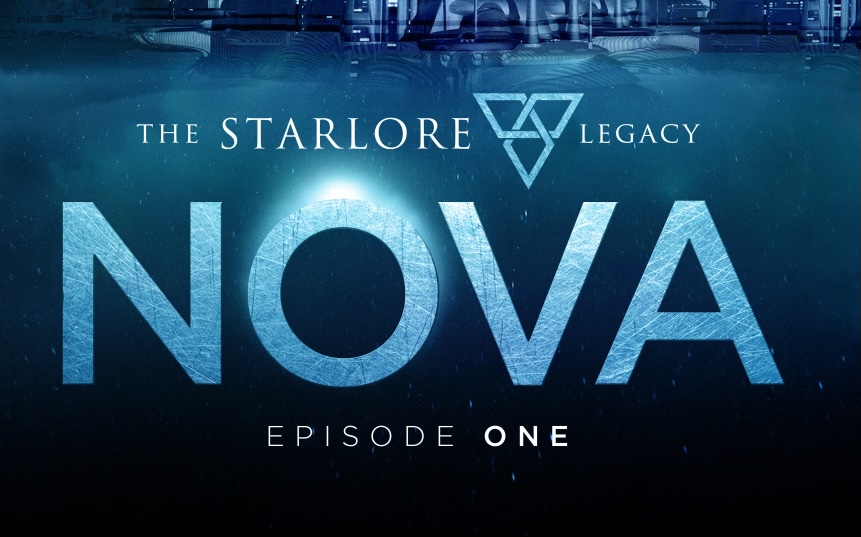
Chuck Black joins me for this interview to discuss writing faith-based books, editing, and even what makes a good antagonist! Chuck Black is a Christian author of over 20 novels, including The Kingdom Series, Knights of Arrethrae, Wars of the Realm, and The Starlore Legacy.
Welcome to our interview, Chuck, and thank you for joining me today! Before we begin, could you share a little about yourself and your writing?
Thank you for having me. It’s a pleasure to be here. I’m a follower of Jesus Christ, a husband, father, and grandfather, and by trade an engineer and business leader. Writing came into my life through family devotions with my children, when I realized they were growing numb to stories from the Bible that should have been anything but dull. God impressed on my heart that fiction, much like the parables Jesus used, could awaken curiosity and deepen faith. Since then, I’ve written allegorical and Scripture-based novels across several genres, all with the goal of inspiring readers to pursue Christ with courage and conviction.
How do you prepare for a new project?
Preparation for me begins long before I ever sit down to write. Years of studying Scripture provide the foundation, but each project is approached with prayer and listening. I ask God what He wants the story to say and who it’s meant to reach. Practically, I outline the major plot movements and themes early on, but I hold those plans loosely. I’ve learned that while I may start a book plot-driven, the characters often come alive midway through and guide the story in ways I didn’t anticipate.
How do you write realistic characters that differ in personality?
I borrow generously from real life. I often take specific traits, strengths, flaws, and habits, from people I’ve known and blend them into new characters. No one is perfect, and I think readers connect most deeply with characters who struggle, fail, and grow. I also give characters room to change. Just like in real life, growth is rarely linear, and faith is often forged through hardship.
What would you say to a writer transitioning from writing for themselves to writing for others in Christ-like servitude?
That transition begins with humility. Writing for Christ-like servitude means asking not just what do I want to say, but what is God asking me to steward responsibly. I would encourage writers to be honest with themselves, with others, and with God, and to be very careful with the message they send into the world. Stories are powerful. When submitted to Christ, they can encourage, challenge, and equip readers in ways we may never fully see this side of eternity.
To what extent do you edit your work?
Extensively. Editing is where good intentions become good storytelling. I rely on trusted editors and beta readers who are willing to be honest with me. I’ve learned that even when I don’t initially agree with feedback, there is almost always something valuable to learn. Editing isn’t about losing your voice. It’s about refining it.
I noticed that The Starlore Legacy is set in a futuristic world, whereas The Kingdom Series is set in an older fantasy world. Have you ever switched genres before? Was it easy or difficult?
Yes, I’ve moved between medieval fantasy, modern-day speculative fiction, and now science fiction. The setting changes, but the heart of the story remains the same. Switching genres wasn’tdifficult conceptually, but it does require respect for the genre and its readers. Each world has its own rules, technologies, and expectations. Once those are established, the story can unfold naturally.
I’ve heard you tie Bible stories into your books. What does this process look like?
It starts with Scripture, not with a plot device. I never try to force a Bible story into a narrative. Instead, I ask what spiritual truth God might want explored, such as redemption, sacrifice, faith, or perseverance, and then build a story-world where those truths can be lived out. Much like a parable, the goal is not to replace Scripture, but to point readers back to it with fresh eyes.
What makes a good antagonist?
A good antagonist genuinely believes they are right. The most compelling adversaries aren’t evil for evil’s sake. They’re driven by pride, fear, control, or misplaced conviction. When an antagonist has understandable motivations, the conflict becomes more meaningful and the stakes more personal.
What is the best part about being an author?
Hearing from readers who say a story helped them draw closer to God or strengthened their faith. I never take that lightly. Writing is a privilege, and when God uses a story to impact someone’s heart, all the glory belongs to Him.
Well, that’s all the questions I have. Thank you again for joining me, Chuck! Do you have any platforms we can find you on?
Readers can find me at chuckblack.com, where I post updates on my books and speaking engagements. I’m also active on social media under my author name, and I enjoy connecting with readers there as well.
Can we get a final comment from the author?
I would simply encourage readers and writers alike to say “yes” when God calls. Often He invites us into challenges that feel uncomfortable or even impossible, but that’s where faith grows and where His adventure truly begins. Say yes, trust Him, and hang on for the ride.


 Michael T. Hare
Leave a comment